1847–1947
Timeline
1915–1934
Gandhian Era
Satyagraha turns the struggle into a mass movement of peasants, workers and women.
April 1917
Champaran Satyagraha
Gandhi went to Champaran in Bihar to investigate peasants forced to grow indigo under the 'tinkathia' system. He refused an order to leave and recorded thousands of statements.
economic · regional · social
13 April 1919
Jallianwala Bagh Massacre
General Dyer ordered troops to fire on an unarmed crowd in Amritsar, killing hundreds who had gathered against the Rowlatt Act.
political · regional
March–April 1919
Rowlatt Satyagraha
The Rowlatt Act allowed imprisonment without trial. Gandhi called a nationwide hartal on 6 April 1919 — the first all-India protest.
political
1920–1922
Non-Cooperation Movement
Gandhi launched a nationwide boycott of British courts, schools, councils and cloth, joined with the Khilafat cause. He called it off after the violence at Chauri Chaura.
political · economic · social
4 February 1922
Chauri Chaura Incident
A crowd in Chauri Chaura (Gorakhpur) set fire to a police station after police fired on protesters, killing 22 policemen. Gandhi called off the Non-Cooperation Movement.
political · social
1928
Simon Commission Boycott
An all-British commission came to review India's constitution. Indians greeted it with black flags and 'Simon Go Back'. Lala Lajpat Rai died after a police lathi charge.
political
26 January 1930
Purna Swaraj Declaration
At the Lahore session (December 1929), under Nehru's presidency, the Congress adopted complete independence as its goal and celebrated 26 January 1930 as Independence Day.
political
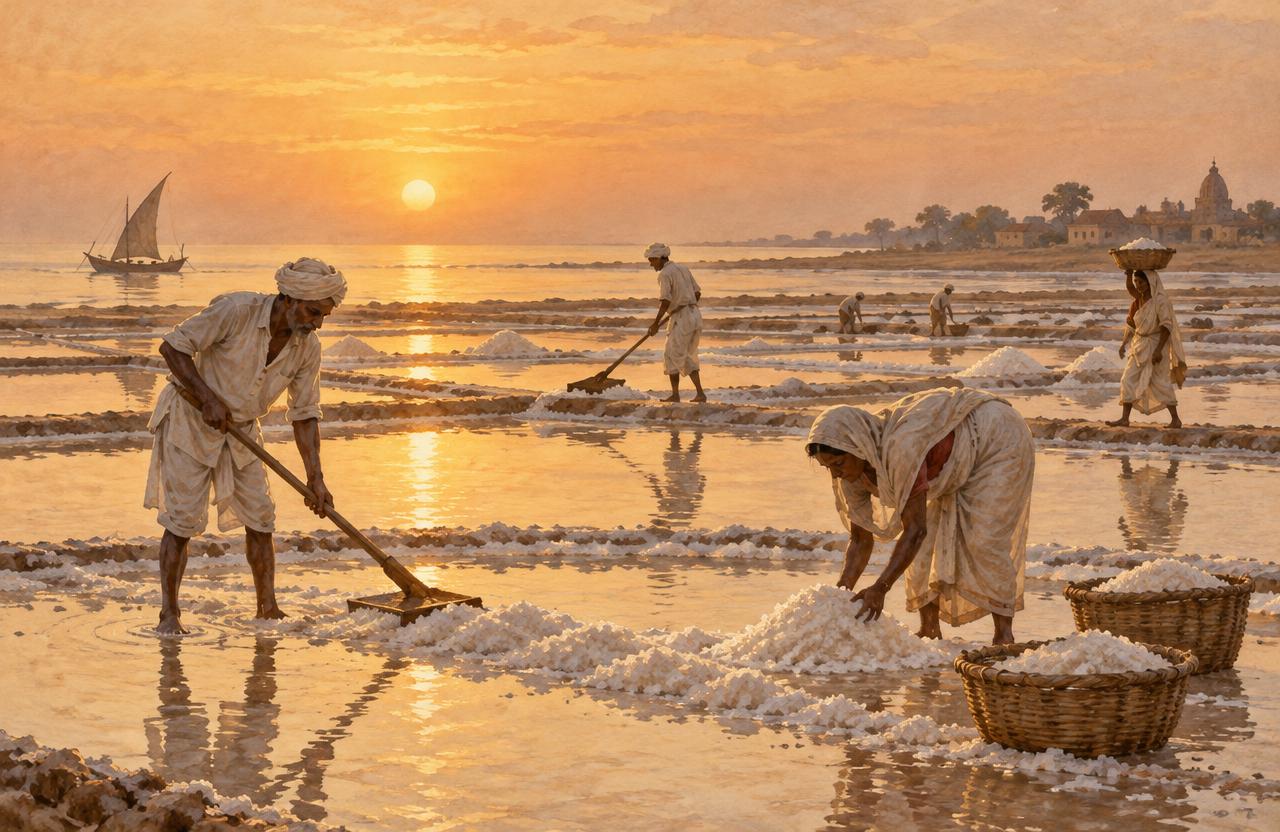
12 March – 6 April 1930
Dandi March
Gandhi walked 385 km from Sabarmati to Dandi and broke the salt law, starting the Civil Disobedience Movement.
political · economic
23 March 1931
Execution of Bhagat Singh, Rajguru and Sukhdev
The three HSRA revolutionaries were hanged in Lahore for the killing of police officer Saunders.
political
1930–1932
Gandhi–Irwin Pact and Round Table Conferences
Britain held three Round Table Conferences in London. Under the Gandhi–Irwin Pact (March 1931), Congress paused Civil Disobedience and Gandhi attended the second conference.
political
24 September 1932
Poona Pact
After Gandhi's fast against separate electorates for Depressed Classes, Ambedkar agreed to reserved seats within joint electorates.
political · social